Influencers have more choice than ever. Are you a brand they actually want to work with?
The creator economy has changed. Influencers are no longer simply waiting for the next brand brief to land in their inbox. The best creators are building businesses, developing long-term partnerships and becoming increasingly selective about the brands they lend their name, audience and creativity to.
At the same time, audiences have become much better at spotting partnerships that don't feel natural. Over-scripted content, awkward brand language and creators suddenly speaking like they've swallowed a press release stand out for all the wrong reasons.
So perhaps one of the more useful questions for brands in 2026 isn't simply “How do we get more from our influencers?”
It's “Are we a brand creators actually want to work with?”
Because creators are assessing brands, too.
The experience you create behind the scenes has a direct impact on what audiences eventually see. Give creators space to understand an idea and make it relevant to their community, and you'll usually get better work. Over-brief them, change deliverables halfway through, request endless amends or take months to pay them, and even the strongest talent relationship will struggle.
And creators talk. They have agents, managers, peers, WhatsApp groups and communities of their own. A reputation for being collaborative, fair and creatively ambitious can travel through those networks long before your next brief lands. A reputation for being difficult can do exactly the same.
In that sense, creator relations are increasingly reputation management.
For us, that means influencer, social and PR thinking can't live in completely separate boxes. A great creator partnership can produce brilliant social content, introduce a brand to a new community and build an advocate who talks about you long after the contracted post has gone live.
After years of running hundreds of influencer programmes, we've learnt that the best work rarely comes from squeezing the maximum number of deliverables out of someone. It comes from creating the conditions for people to want to make something good with you.
Here are seven things we keep coming back to.
1. Brief for their audience
The best creator work happens when there’s a clear idea and enough freedom to make it their own. Give creators the context, objective and essentials, then trust them to translate it for the people they know best.
Keep the objective clear, the must-haves short and agree deliverables upfront. Give context, not a script. The more creators understand the bigger idea, the better they can bring it to life.
If you could have made the content without them, you probably haven't made enough use of why you hired them in the first place.
2. Make feedback collaborative
Great feedback should make the work stronger without editing out the reason you chose that creator.
Keep feedback consolidated, agree amendment rounds upfront and give realistic turnaround times. When something is on brief, compliant and feels right for their audience, trust their expertise.
There is very little point paying for someone's voice and then spending three rounds of amends trying to make it sound like yours.
3. Be clear about usage and exclusivity
Creator content can live far beyond an organic post, so be clear from the beginning about where you'd like it to go.
Paid media, whitelisting, extended usage and exclusivity all have additional value. Agree channels, duration and terms upfront and price them fairly. For exclusivity, keep categories specific and timeframes proportionate.
4. Make disclosure simple
Clear disclosure protects the brand, the creator and their audience. Make sure advertising labels are obvious and agreed upfront, using clear terms such as Ad/#ad and the relevant platform tools.
The same principle increasingly applies to AI and editing. Audiences should be able to trust what they're seeing.
5. Make gifting feel like gifting
Great gifting is thoughtful, personal and comes without pressure.
Ask creators if they'd like to receive something, give them a reason to be excited about it and then let the product do the talking. If you need guaranteed content, make it a paid collaboration.
This is also where a little PR thinking goes a long way. Not every relationship needs an immediate deliverable attached to it. Sometimes the value is getting the right product into the hands of someone who genuinely likes it and building a relationship from there.
Today's gift could be the beginning of a brilliant long-term partnership.
6. Treat creators like creative partners
Creators are also businesses, and the little things make a big difference.
Pay promptly. Credit their work. Share campaign results. Say thank you. Keep in touch. And don't only appear in their inbox when you need something.
When creators understand your brand, know the people behind it and genuinely enjoy working with you, the work gets better too. That's as true of creators as it has always been of journalists, collaborators and cultural partners.
7. Be a good partner when plans change
Campaigns don't always go exactly to plan, and that's okay.
Have clear points of contact, keep difficult conversations private and approach challenges collaboratively. If circumstances change, talk openly and find a solution that works for both sides.
Being a great partner matters just as much when something goes wrong as when everything goes right.
The creator partnership check
Before your next campaign, ask:
Is the brief clear but creatively open?
Have we agreed deliverables and timings upfront?
Are usage and exclusivity clear and fairly priced?
Is disclosure straightforward?
Does gifting genuinely come without strings?
Are our payment processes creator-friendly?
Are we sharing results, credit and thanks?
Are we building relationships beyond this campaign?
Ultimately, good creator etiquette isn't particularly complicated. Give people clarity, creative freedom, fairness and respect and you'll create better work.
But we'd go one step further. Treat your creator network as part of your brand reputation, not just your media plan.
Because the best creator relationship isn't the one that delivers the most content from this brief. It's the one where, when the next brief lands, they actually want to work with you again.
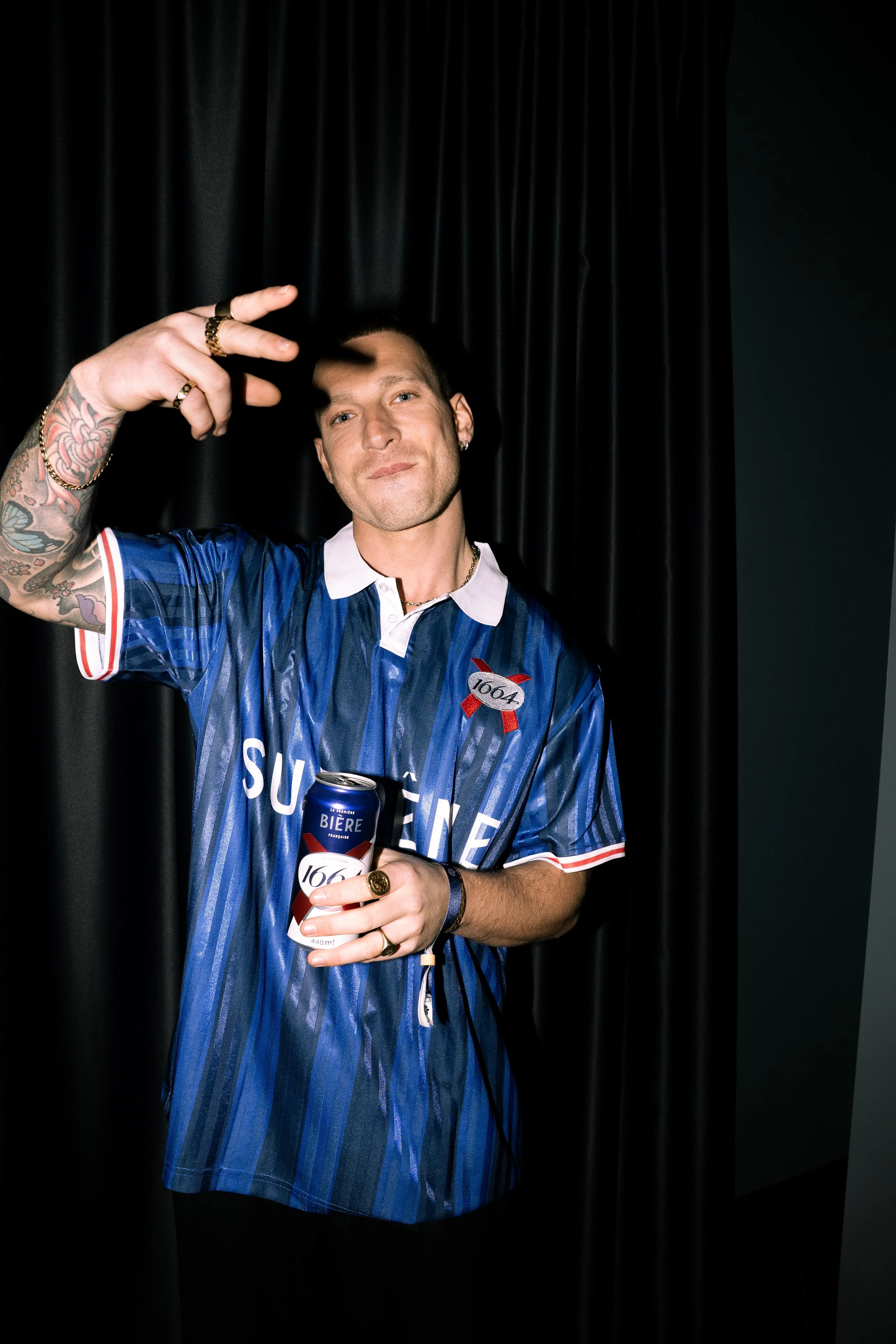
Photo: Brandon Myers Credit: @apolluss